Antioxidants are compounds that play a crucial role in maintaining cellular health by neutralizing harmful molecules known as free radicals. These free radicals are byproducts of various metabolic processes in the body, as well as external factors such as pollution, radiation, and cigarette smoke. The balance between antioxidants and free radicals is vital for the body’s overall health; when free radicals outnumber antioxidants, oxidative stress occurs, leading to cellular damage and contributing to various diseases.
The study of antioxidants has gained significant attention in recent years, as researchers continue to uncover their potential benefits in promoting longevity and preventing chronic illnesses. The term “antioxidant” encompasses a wide range of substances, including vitamins, minerals, and phytochemicals. Some of the most well-known antioxidants include vitamin C, vitamin E, selenium, and flavonoids.
These compounds can be found in various foods and are often touted for their health benefits. Understanding the mechanisms by which antioxidants operate and their significance in human health is essential for anyone looking to enhance their well-being through dietary choices and lifestyle modifications.
Key Takeaways
- Antioxidants are compounds that help protect the body from damage caused by harmful molecules called free radicals.
- Antioxidants fight free radicals by donating electrons to stabilize them and prevent them from causing damage to cells and tissues.
- Antioxidants play a crucial role in preventing oxidative stress, which is linked to various chronic diseases and aging.
- Consuming antioxidants through a balanced diet can provide numerous health benefits, including reducing the risk of chronic diseases and promoting overall well-being.
- Antioxidants can be found in a variety of foods, such as fruits, vegetables, nuts, and whole grains, and can be incorporated into the diet through mindful food choices and meal planning.
How Antioxidants Fight Free Radicals
Free radicals are unstable molecules that contain an unpaired electron, making them highly reactive. In their quest to stabilize themselves, they can cause damage to other molecules, including DNA, proteins, and lipids. This process can lead to a cascade of cellular damage that contributes to aging and the development of diseases such as cancer, cardiovascular disorders, and neurodegenerative conditions.
Antioxidants counteract this damage by donating electrons to free radicals without becoming unstable themselves. This neutralization process effectively halts the chain reaction of oxidative damage. Different types of antioxidants work through various mechanisms to combat free radicals.
For instance, vitamin C is a water-soluble antioxidant that can scavenge free radicals in the aqueous environments of cells. On the other hand, vitamin E is a fat-soluble antioxidant that protects cell membranes from lipid peroxidation. Additionally, certain enzymes, such as superoxide dismutase (SOD) and catalase, play a pivotal role in the body’s antioxidant defense system by converting harmful free radicals into less harmful substances.
The interplay between these antioxidants and free radicals is a dynamic process that underscores the importance of maintaining a balanced diet rich in these protective compounds.
The Role of Antioxidants in Preventing Oxidative Stress
Oxidative stress occurs when there is an imbalance between free radicals and antioxidants in the body, leading to cellular damage and inflammation. This condition has been linked to a variety of health issues, including chronic diseases such as diabetes, heart disease, and cancer. Antioxidants are essential in preventing oxidative stress by neutralizing free radicals before they can inflict damage on cellular structures.
By doing so, they help maintain cellular integrity and function. Research has shown that a diet high in antioxidants can significantly reduce markers of oxidative stress in the body. For example, studies have indicated that individuals who consume a diet rich in fruits and vegetables—both abundant sources of antioxidants—exhibit lower levels of oxidative stress markers compared to those with lower antioxidant intake.
Furthermore, certain lifestyle factors such as regular physical activity and adequate sleep can enhance the body’s natural antioxidant defenses, further mitigating the risk of oxidative stress-related diseases.
The Health Benefits of Antioxidants
| Antioxidant | Health Benefit |
|---|---|
| Vitamin C | Boosts immune system, protects against heart disease |
| Vitamin E | Protects skin from UV damage, may lower risk of cancer |
| Beta-carotene | Supports eye health, may reduce risk of certain cancers |
| Selenium | Helps protect against heart disease, supports thyroid function |
The health benefits of antioxidants extend beyond merely combating oxidative stress; they also play a role in enhancing overall health and well-being. Numerous studies have suggested that a diet rich in antioxidants may lower the risk of chronic diseases. For instance, flavonoids found in berries have been associated with improved cardiovascular health due to their ability to reduce inflammation and improve endothelial function.
Similarly, carotenoids present in colorful fruits and vegetables have been linked to a decreased risk of certain cancers. Moreover, antioxidants may also contribute to cognitive health. Research indicates that diets high in antioxidants can help protect against neurodegenerative diseases such as Alzheimer’s and Parkinson’s disease.
The neuroprotective effects of antioxidants are thought to stem from their ability to reduce oxidative stress and inflammation in the brain. Additionally, some studies suggest that antioxidants may improve mood and cognitive function by enhancing blood flow to the brain and reducing oxidative damage to neural tissues.
Sources of Antioxidants in Food
Antioxidants are abundant in a variety of foods, particularly fruits and vegetables. Berries such as blueberries, strawberries, and blackberries are renowned for their high antioxidant content due to their rich supply of flavonoids and vitamin Dark leafy greens like spinach and kale are also excellent sources of antioxidants, providing carotenoids such as lutein and zeaxanthin that are beneficial for eye health. In addition to fruits and vegetables, nuts and seeds are another significant source of antioxidants.
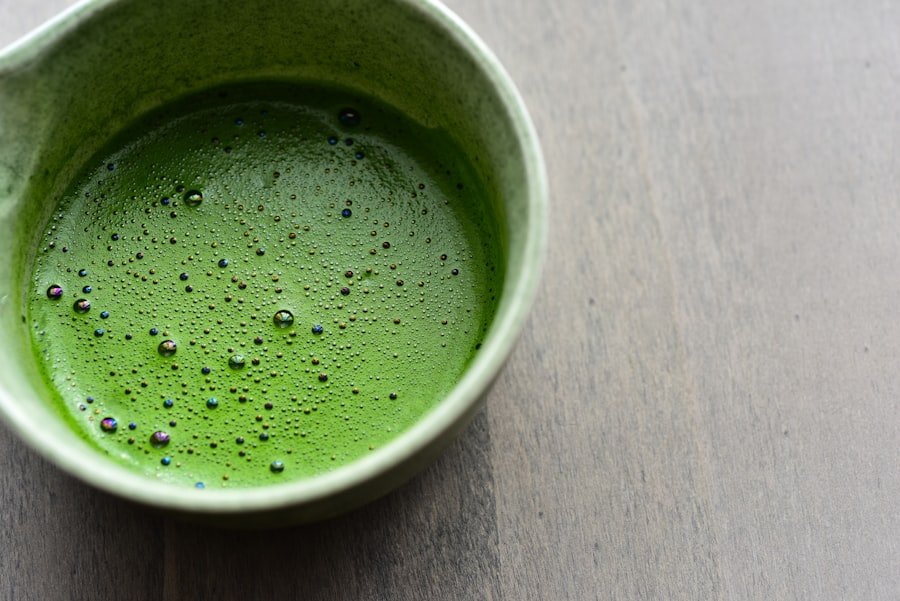
Walnuts, almonds, and sunflower seeds contain vitamin E and other phytochemicals that contribute to their antioxidant properties. Whole grains like oats and brown rice also provide beneficial compounds that help combat oxidative stress. Furthermore, beverages such as green tea and red wine are rich in polyphenols—powerful antioxidants that have been linked to various health benefits.
How to Incorporate Antioxidants into Your Diet

Colorful Plate, Healthy Start
One effective strategy is to aim for a colorful plate at every meal; different colors often indicate different types of antioxidants present in foods. For example, red foods like tomatoes are rich in lycopene, while orange foods like carrots provide beta-carotene.
Snacking Smart
By consuming a diverse array of colorful fruits and vegetables, you can ensure a broad spectrum of antioxidant intake. Another practical approach is to include antioxidant-rich snacks throughout the day. Instead of reaching for processed snacks high in sugar or unhealthy fats, consider options like mixed nuts, fresh fruit, or yogurt topped with berries.
Spicing Up Your Diet
Additionally, experimenting with herbs and spices can enhance both flavor and antioxidant content; spices such as turmeric contain curcumin, which has potent antioxidant properties. By making small adjustments to your dietary habits, you can significantly increase your antioxidant intake without feeling deprived.
Antioxidants in Skincare and Beauty Products
The benefits of antioxidants extend beyond nutrition; they have also made their way into the realm of skincare and beauty products. Many skincare formulations now include antioxidants due to their ability to protect the skin from environmental damage caused by UV radiation and pollution. Ingredients such as vitamin C are celebrated for their brightening effects on the skin while also providing protection against oxidative stress.
Moreover, other antioxidants like coenzyme Q10 (ubiquinone) and green tea extract are commonly found in anti-aging products due to their potential to reduce the appearance of fine lines and wrinkles. These compounds work by neutralizing free radicals generated by sun exposure and environmental pollutants, thereby promoting healthier skin. As consumers become more aware of the importance of skincare ingredients, the demand for antioxidant-rich products continues to rise.
The Future of Antioxidant Research
The field of antioxidant research is continually evolving as scientists explore new avenues for understanding how these compounds function at a molecular level. Recent studies have begun to investigate the synergistic effects of combining different antioxidants to enhance their overall efficacy. This research could lead to more effective dietary supplements or functional foods designed specifically to combat oxidative stress.
Additionally, advancements in technology are enabling researchers to better understand how antioxidants interact with various biological systems within the body. For instance, studies utilizing advanced imaging techniques may provide insights into how antioxidants influence cellular signaling pathways related to inflammation and aging. As our understanding deepens, it is likely that new applications for antioxidants will emerge across various fields, including medicine, nutrition, and cosmetics.
In conclusion, the exploration of antioxidants remains a vibrant area of research with significant implications for health promotion and disease prevention. As we continue to uncover the complexities surrounding these compounds, it becomes increasingly clear that they play an integral role in supporting human health across multiple dimensions.
FAQs
What are antioxidants?
Antioxidants are molecules that help protect the body from harmful molecules called free radicals. Free radicals can damage cells and contribute to aging and various diseases.
What do antioxidants do?
Antioxidants neutralize free radicals by donating one of their own electrons, which helps prevent cell damage and supports overall health.
Where can antioxidants be found?
Antioxidants are found in a variety of foods, particularly fruits and vegetables. Some common sources of antioxidants include berries, nuts, dark chocolate, and leafy greens.
What are the health benefits of antioxidants?
Consuming a diet rich in antioxidants has been associated with a lower risk of chronic diseases such as heart disease, cancer, and diabetes. Antioxidants also play a role in supporting the immune system and overall well-being.