Kerala, often referred to as “God’s Own Country,” is renowned for its lush landscapes, tranquil backwaters, and vibrant culture. While the state is famous for its popular tourist destinations like Kovalam and Varkala, it also harbors a treasure trove of hidden coastal gems that remain relatively unexplored. These lesser-known beaches and coastal areas offer a unique blend of natural beauty, cultural richness, and biodiversity, making them ideal for travelers seeking an authentic experience away from the bustling crowds.
The charm of these hidden spots lies not only in their pristine beauty but also in the stories they tell about the local communities and their harmonious relationship with nature. The allure of Kerala’s hidden coastal gems is multifaceted. From secluded beaches with powdery sands to quaint fishing villages steeped in tradition, each location has its own unique character.
The coastal stretch of Kerala is dotted with numerous small towns and villages that have retained their traditional way of life, offering visitors a glimpse into the rich cultural tapestry of the region. As travelers venture off the beaten path, they are rewarded with breathtaking landscapes, vibrant local markets, and the warm hospitality of the people who call these coastal areas home.
Key Takeaways
- Kerala’s hidden coastal gems offer a unique and unexplored experience for travelers seeking natural beauty and tranquility.
- The lesser-known beaches of Kerala boast breathtaking landscapes, pristine shores, and a peaceful atmosphere away from the crowds.
- Kerala’s coastal ecosystems are rich in biodiversity, with mangroves, wetlands, and estuaries providing a habitat for a wide variety of plant and animal species.
- The serene backwaters and estuaries of Kerala offer a peaceful and picturesque setting for nature lovers to explore and unwind.
- Wildlife encounters in Kerala’s coastal sanctuaries provide opportunities to observe diverse species of birds, marine life, and other wildlife in their natural habitats.
The Breathtaking Beauty of Kerala’s Lesser-Known Beaches
Among the many hidden treasures along Kerala’s coastline, beaches like Bekal, Nileshwar, and Marari stand out for their stunning natural beauty and tranquil ambiance. Bekal Beach, located near the historic Bekal Fort, is a serene stretch of sand that offers panoramic views of the Arabian Sea. The fort itself, with its imposing structure and historical significance, adds an intriguing backdrop to the beach experience.
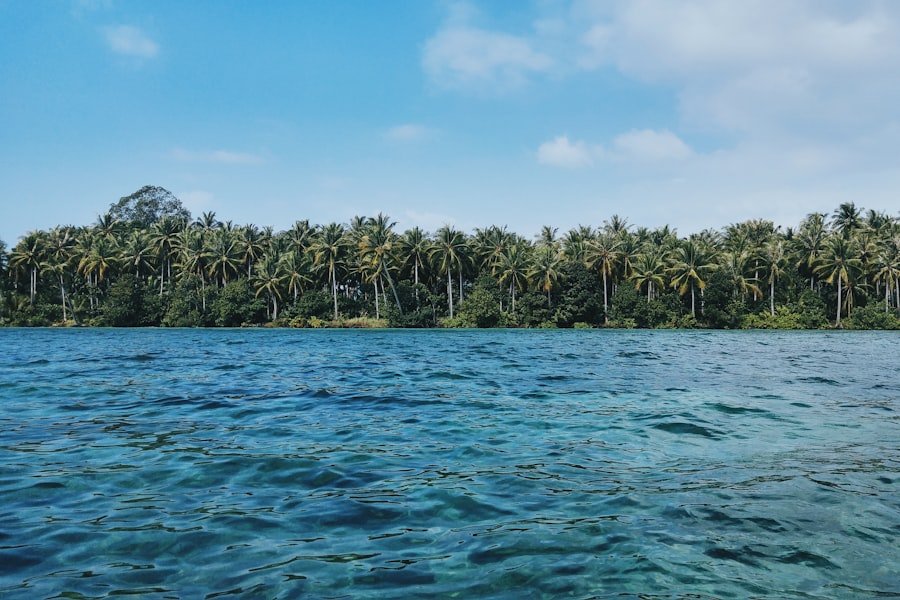
Visitors can stroll along the shoreline, explore the fort’s ruins, or simply relax while watching the sun dip below the horizon. Nileshwar Beach, on the other hand, is a lesser-known paradise that boasts a laid-back atmosphere and unspoiled surroundings. This beach is characterized by its golden sands and swaying palm trees, creating a picturesque setting for relaxation and reflection.
The nearby village of Nileshwar is known for its rich cultural heritage, with traditional art forms and festivals that reflect the local way of life. Travelers can immerse themselves in the local culture by participating in community events or enjoying freshly caught seafood prepared by local fishermen. Marari Beach, located near Alleppey, is another hidden gem that offers a tranquil escape from the hustle and bustle of more popular tourist spots.
With its soft sands and gentle waves, Marari is perfect for sunbathing or taking leisurely walks along the shore. The beach is also home to several eco-friendly resorts that promote sustainable tourism practices while providing visitors with an opportunity to connect with nature. The surrounding coconut groves and fishing villages add to the charm of Marari, making it an ideal destination for those seeking peace and solitude.
Discovering the Rich Biodiversity of Kerala’s Coastal Ecosystems
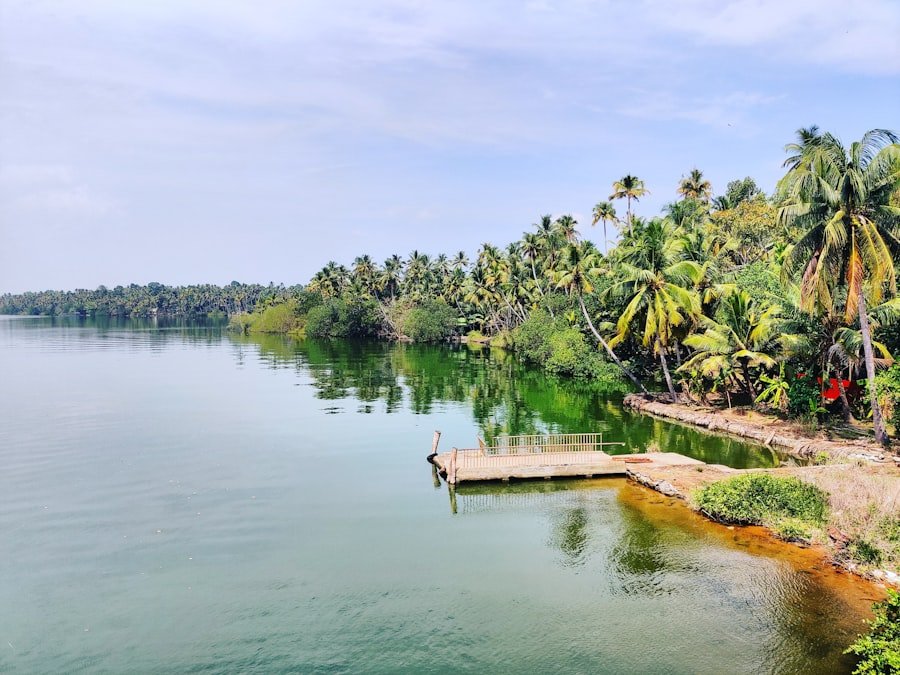
Kerala’s coastal ecosystems are teeming with biodiversity, making them a vital area for conservation efforts. The intricate interplay between land and sea creates a variety of habitats that support numerous species of flora and fauna. Mangroves, estuaries, coral reefs, and sandy beaches all contribute to the ecological richness of this region.
Mangrove forests, in particular, play a crucial role in protecting coastlines from erosion while providing a habitat for various marine species. The biodiversity found in Kerala’s coastal areas is not only impressive but also essential for maintaining ecological balance. For instance, the Vembanad Lake, which is part of the backwaters system, is home to a diverse range of fish species and migratory birds.
Birdwatchers flock to this area during migratory seasons to witness flocks of herons, egrets, and kingfishers. The presence of these birds indicates a healthy ecosystem and highlights the importance of preserving these habitats for future generations. Moreover, coral reefs off the coast of Kerala are another significant aspect of its biodiversity.
These underwater ecosystems are home to a myriad of marine life, including colorful fish, sea turtles, and various invertebrates. However, coral reefs face threats from climate change and human activities such as pollution and overfishing. Conservation initiatives aimed at protecting these delicate ecosystems are crucial for sustaining both marine biodiversity and local livelihoods that depend on fishing and tourism.
Exploring Kerala’s Serene Backwaters and Estuaries
| Location | Metrics |
|---|---|
| Alleppey | Number of houseboats |
| Kumarakom | Area covered by backwaters |
| Kollam | Number of estuaries |
| Kochi | Length of backwater network |
The backwaters of Kerala are a unique feature that sets this state apart from other coastal regions in India. These interconnected lagoons and lakes are not only stunningly beautiful but also serve as vital waterways for transportation and agriculture. The serene backwaters are lined with lush greenery and dotted with traditional houseboats that offer visitors a chance to experience life on the water.
One of the most enchanting aspects of exploring Kerala’s backwaters is the opportunity to witness local life unfold along the banks. Villages thrive on fishing and agriculture, with paddy fields stretching as far as the eye can see. Travelers can take guided boat tours through these tranquil waters to observe daily activities such as fishing or coir-making while enjoying the breathtaking scenery.
The gentle lapping of water against the boat creates a soothing soundtrack that enhances the overall experience. Estuaries in Kerala also play a significant role in supporting both biodiversity and local communities. The confluence of freshwater from rivers and saltwater from the sea creates rich habitats that are crucial for various species of fish and birds.
The Ashtamudi Lake estuary is particularly noteworthy for its ecological significance; it is recognized as a Ramsar site due to its rich biodiversity and unique ecosystem services. Exploring these estuaries provides insight into the delicate balance between human activity and nature while highlighting the importance of sustainable practices in preserving these vital ecosystems.
Wildlife Encounters in Kerala’s Coastal Sanctuaries
Kerala’s coastal sanctuaries offer unique opportunities for wildlife encounters that are both thrilling and educational. These protected areas serve as habitats for various species, including migratory birds, marine mammals, and reptiles. One such sanctuary is the Kumarakom Bird Sanctuary, located on the banks of Vembanad Lake.
This sanctuary attracts birdwatchers from around the world who come to observe a diverse array of avian species, including migratory birds like Siberian cranes during winter months. In addition to birdwatching, visitors can also encounter other wildlife within these sanctuaries. The coastal areas are home to several species of turtles that nest along sandy beaches.
Conservation efforts have been implemented to protect these nesting sites from human interference, ensuring that future generations can witness this remarkable natural phenomenon. Guided tours often provide insights into turtle conservation efforts while allowing visitors to observe these magnificent creatures in their natural habitat. Marine sanctuaries along Kerala’s coast also offer opportunities for snorkeling and diving enthusiasts to explore vibrant underwater ecosystems.
The coral reefs off places like Kovalam provide a glimpse into a world teeming with life beneath the waves. Divers can encounter colorful fish species, sea turtles, and even dolphins in their natural environment. These experiences not only foster appreciation for marine biodiversity but also emphasize the importance of protecting these fragile ecosystems from threats such as pollution and climate change.
Preserving Kerala’s Coastal Heritage and Culture
The coastal regions of Kerala are rich in cultural heritage that reflects centuries of history and tradition. Fishing communities have thrived along these shores for generations, developing unique customs and practices that are integral to their way of life. Preserving this cultural heritage is essential not only for maintaining local identity but also for promoting sustainable tourism practices that benefit both visitors and residents.
Traditional art forms such as Theyyam and Kathakali are deeply rooted in Kerala’s coastal culture. These performances often depict stories from mythology or local folklore, showcasing vibrant costumes and intricate choreography. Visitors have the opportunity to witness these performances in local villages or cultural centers, gaining insight into the significance of these art forms within the community.
Moreover, culinary traditions along Kerala’s coast are an essential aspect of its cultural heritage. Seafood plays a prominent role in local cuisine, with dishes prepared using traditional methods passed down through generations. Travelers can indulge in authentic coastal delicacies at local eateries or participate in cooking classes to learn about regional ingredients and cooking techniques.
This culinary journey not only tantalizes taste buds but also fosters connections between visitors and local communities through shared experiences centered around food.
Sustainable Tourism Practices in Kerala’s Coastal Areas
As tourism continues to grow in popularity across Kerala’s coastal regions, there is an increasing emphasis on sustainable practices that minimize environmental impact while supporting local economies. Eco-friendly resorts and homestays have emerged as alternatives to conventional accommodations, allowing travelers to enjoy their stay while contributing positively to the environment. Many eco-resorts prioritize sustainable building practices by using locally sourced materials and implementing energy-efficient technologies.
These establishments often engage in community development initiatives by employing local residents and supporting local artisans through fair trade practices. By choosing eco-friendly accommodations, travelers can ensure that their visit benefits both nature conservation efforts and local communities. Additionally, responsible tourism practices extend beyond accommodations to include activities such as wildlife watching tours or guided nature walks led by knowledgeable local guides.
These experiences not only enhance visitors’ understanding of Kerala’s ecosystems but also promote conservation awareness among tourists. Engaging with local communities through cultural exchanges or volunteering opportunities further enriches travelers’ experiences while fostering mutual respect between visitors and residents.
Tips for Planning a Nature-Focused Trip to Kerala’s Coastal Gems
When planning a nature-focused trip to explore Kerala’s hidden coastal gems, several considerations can enhance your experience while ensuring responsible travel practices. First and foremost, research lesser-known destinations ahead of time to identify specific areas you wish to visit based on your interests—be it wildlife encounters, cultural experiences, or simply relaxation by pristine beaches. Travelers should also consider visiting during off-peak seasons when crowds are fewer; this allows for a more intimate experience with nature while supporting local businesses during quieter times.
Engaging with local guides who possess extensive knowledge about flora and fauna can provide invaluable insights into your surroundings while promoting sustainable tourism practices. Lastly, packing essentials such as reusable water bottles, biodegradable toiletries, and eco-friendly sunscreen can minimize your environmental footprint during your travels. By being mindful of your impact on both nature and local communities throughout your journey through Kerala’s coastal gems, you contribute positively to preserving these beautiful landscapes for future generations to enjoy.
FAQs
What are some undiscovered coastal towns in Kerala for nature lovers?
Some undiscovered coastal towns in Kerala for nature lovers include Mararikulam, Varkala, and Bekal.
What makes Mararikulam a great destination for nature lovers?
Mararikulam is known for its pristine beaches, tranquil backwaters, and lush greenery, making it a perfect destination for nature lovers.
What attractions can nature lovers explore in Varkala?
Varkala is home to beautiful beaches, stunning cliffs, and a peaceful atmosphere, making it an ideal destination for nature lovers.
Why is Bekal a must-visit for nature enthusiasts?
Bekal is known for its unspoiled beaches, serene backwaters, and the historic Bekal Fort, making it a must-visit for nature enthusiasts.