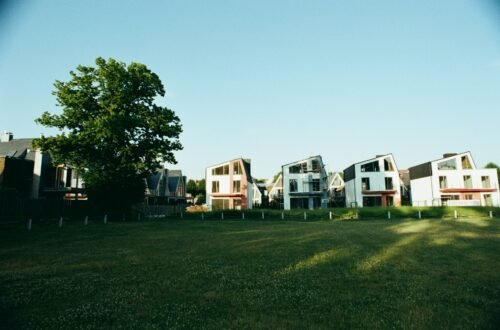
Ever wondered why some streets feel alive and inviting, while others just feel… empty? It’s not just about the buildings; a huge part of it comes down to street design and how it either encourages or discourages people from interacting. Simply put, the way our streets are built directly impacts whether we bump into a neighbor, stop for a chat, or just rush through, heads down. Good design fosters community; poor design isolates.
Think about it this way: your living room layout influences how you interact with family and friends. A big, comfy couch facing a coffee table encourages conversation. A scattered collection of chairs shoved into corners doesn’t. Streets are public living rooms. Their layout, their furniture (benches, trees), and even their “wall decorations” (storefronts, art) dictate how we behave in them. This isn’t some abstract concept; it’s tangible and has real-world consequences for how connected we feel to our surroundings and the people in them.
More Than Just Pavement: The Human Element
We often see streets as purely functional — a way to get from A to B. But humans aren’t just vehicles. We’re social creatures. When we design streets solely for cars, we strip away the opportunities for human-to-human connection. This isn’t about being anti-car; it’s about balance. It’s about recognizing that a street has multiple functions, and one of the most vital is fostering a sense of place and community.
The Power of Proximity and Visibility
Good street design encourages people to be seen and to see others. When storefronts are inviting, people walk past them rather than drive by. When there are places to sit, people pause. This simple act of being present in a shared space, even without direct interaction, builds a foundation for community. It’s about recognizing familiar faces, feeling a sense of belonging, and creating a shared public life.
Pedestrian-Friendly Design: The Walking Revolution
If people can’t comfortably or safely walk on a street, they won’t. It’s that simple. Designing for pedestrians isn’t a luxury; it’s a fundamental requirement for fostering any kind of meaningful human interaction at the street level. Wider sidewalks aren’t just about space; they’re about psychological comfort. Trees offer shade and a sense of calm. Accessible crossings remove barriers.
Sidewalks: More Than Just a Path
Narrow, cracked sidewalks bordered by roaring traffic are hostile environments for walkers. Wide sidewalks, on the other hand, invite strolling, window shopping, and spontaneous conversations. They provide enough room for two people to walk side-by-side without feeling pressed, or for someone to pause to look at a display without blocking the flow.
The Role of Encroachments and “Eyes on the Street”
When buildings directly abut wide sidewalks, with windows and doors facing the street, it creates what urbanist Jane Jacobs famously called “eyes on the street.” This isn’t about surveillance; it’s about natural oversight. People feel safer and more comfortable in places where there are other people present and visible. Storefronts with active displays, outdoor seating, and frequent entryways increase this effect.
Crossings and Intersections: Connecting the Urban Fabric
Dangerous intersections or lengthy waits at crosswalks fragment neighborhoods. They create psychological barriers, making people less likely to walk even short distances. Clearly marked, well-lit, and frequent pedestrian crossings, especially those with shorter wait times, encourage foot traffic and connect different parts of a community.
The Paradox of Scramble Crossings
In some areas, “scramble” or “pedestrian all-way” crossings allow pedestrians to cross in any direction, even diagonally, while vehicle traffic is paused. While seemingly radical, these can significantly improve pedestrian flow and safety, reducing conflicts with turning vehicles and making the act of crossing less stressful, thus encouraging more walking.
Green Spaces and Street Furniture: Inviting People to Linger
A street isn’t just a conduit; it’s also a place to be. When streets offer amenities that encourage people to stop, sit, and observe, they become more than just thoroughfares. These elements act as catalysts for interaction, even if that interaction is simply sharing a bench with a stranger.
Benches, Planters, and Public Art: The Street’s Welcome Mat
Imagine a street without a single bench. Where would an elderly person rest? Where would a parent wait for their child? Where would anyone just… simply be, without having to patronize a business? Benches, strategically placed and well-maintained, are silent invitations to pause. Planters and street trees soften the hard edges of urban environments, providing aesthetic appeal and ecological benefits. Public art can spark conversation, offer a focal point, and instill a sense of local identity.
The Importance of Shade and Shelter
In many climates, shade is not just a comfort; it’s a necessity. Trees and awnings protect from sun, rain, and wind, making public spaces usable for longer periods throughout the day and year. Without adequate shelter, people will simply avoid being outdoors, especially during inclement weather or peak sun.
Patios and Outdoor Dining: Bringing Life to the Edge of the Street
When restaurants and cafes extend their seating onto the sidewalk, they create a vibrant edge that spills activity onto the public realm. This isn’t just good for business; it’s good for the street. It provides “eyes on the street,” adds liveliness, and creates informal opportunities for people-watching and observation, all contributing to a more dynamic community experience. These are places where informal connections can happen, where neighbors can run into each other and linger.
Car Dominance vs. Balanced Design: Reclaiming Public Space
For decades, many street designs prioritized the rapid movement of vehicles above all else. This approach often resulted in wide, fast-moving roads, minimal sidewalks, and a general environment hostile to pedestrians and cyclists. The consequence? Streets that functioned primarily as highways, dissecting communities rather than binding them.
Lane Widths and Traffic Speed: The Unseen Dictators
Wider lanes encourage faster driving. Faster driving makes pedestrians feel less safe crossing or even walking alongside traffic. Narrower lanes, coupled with traffic calming measures like speed bumps, chicanes, or raised intersections, inherently slow vehicles down. This simple design choice fundamentally alters the dynamic of the street, making it feel more approachable and less threatening to those outside of a car. When cars move slower, drivers are more aware of their surroundings, and the noise and perceived danger for pedestrians decrease significantly.
The Psychology of Speed
It’s not just about actual speed; it’s about the perceived speed and the feeling of dominance cars exert. When cars dominate, the public space shrinks for everyone else. By subtly (or not so subtly) slowing traffic, street design sends a clear message: this is a shared space, not just a car’s domain.
Parking: Accessibility vs. Activity
On-street parking is a double-edged sword. While it provides convenient access to local businesses, extensive or poorly designed parking can detract from the pedestrian experience. Large surface parking lots between buildings and the street create “dead zones” that disrupt walkability and visual interest.
Shifting Mindsets: From Storage to Experience
The challenge is to balance the need for vehicle access with the desire for vibrant, walkable streets. This might involve prioritizing compact parking structures away from the immediate street frontage, encouraging shared parking, or even exploring innovative technologies like smart parking guidance to reduce cruising. The goal is to ensure parking serves the street’s overall function without overwhelming it.
Mixed-Use Development: Weaving Life into the Urban Fabric
| Street Design Element | Impact on Community Interaction |
|---|---|
| Sidewalk width | Wider sidewalks encourage pedestrian activity and social interaction |
| Street furniture | Benches, tables, and seating areas can promote gathering and conversation |
| Crosswalks and signals | Well-designed crossings can improve safety and encourage walking and interaction |
| Street lighting | Proper lighting can enhance safety and encourage evening social activities |
| Bike lanes | Separate bike lanes can promote active transportation and community engagement |
Zoning laws that strictly separate residential, commercial, and recreational areas often lead to sterile, single-purpose zones that require driving from one activity to the next. This segregation actively works against community interaction by making daily tasks a car-dependent chore. Mixed-use development, on the other hand, embraces the idea of living, working, and playing all within walking or cycling distance.
The Benefits of Proximity: Reducing Car Dependence
When homes are near shops, offices, parks, and schools, people have more opportunities to walk, cycle, and use public transit. This not only reduces traffic congestion and pollution but also significantly increases the chances of spontaneous encounters. Imagine walking to the grocery store and bumping into a neighbor, or running errands and seeing local business owners you recognize. These small, everyday interactions build the social fabric of a community.
Activating Streets Throughout the Day
Strictly residential areas are often quiet during the day, while commercial districts might empty out at night. Mixed-use areas, with a blend of housing, services, eateries, and entertainment, ensure a more consistent presence of people throughout the day and evening. This continuous activity creates a safer, more vibrant, and more observed street environment.
Ground-Floor Activation: Bringing Buildings to Life
Buildings with active ground floors – storefronts, cafes, community spaces, and even open lobbies – contribute immensely to street life. These transparent and engaging facades draw people in, provide “eyes on the street,” and offer destinations that encourage walking and lingering. Blank walls, garage doors, or inactive ground floors (like residential lobbies with no street interaction) create dead zones that detract from pedestrian experience and community vitality.
Avoiding “Big Box” Blank Facades
Large retail stores, warehouses, or residential buildings that present blank, uninviting walls to the street contribute little to community interaction. Designers should prioritize breaking up these facades with varied textures, windows, entrances, and active uses, even if it means incorporating art, small kiosks, or publicly accessible spaces to avoid creating monotonous and isolating street walls.
Ultimately, street design isn’t just about aesthetics or infrastructure; it’s about designing for human experience. It’s about creating spaces where people feel comfortable, safe, and encouraged to be present, to linger, and to connect with one another in meaningful ways. When we get street design right, we don’t just build roads; we build communities.
FAQs
1. What is street design and how does it shape community interaction?
Street design refers to the layout and features of a street, including sidewalks, crosswalks, bike lanes, and public spaces. It can shape community interaction by influencing how people move through and use public spaces, as well as how they interact with each other.
2. What are some examples of street design elements that can impact community interaction?
Examples of street design elements that can impact community interaction include wide sidewalks that encourage pedestrian activity, public seating areas that promote social interaction, and traffic calming measures that make streets safer for all users.
3. How does street design affect the sense of community in a neighborhood?
Street design can affect the sense of community in a neighborhood by creating spaces that encourage social interaction, such as public plazas or community gardens. It can also impact the safety and comfort of residents, which can contribute to a stronger sense of community.
4. What are some benefits of well-designed streets for community interaction?
Well-designed streets can promote physical activity, reduce traffic accidents, and create opportunities for socializing and community events. They can also contribute to a sense of place and identity within a neighborhood.
5. How can communities advocate for better street design to improve community interaction?
Communities can advocate for better street design by engaging with local government officials and transportation agencies, participating in public meetings and workshops, and organizing grassroots campaigns to raise awareness about the importance of street design for community interaction.