Slow living is a lifestyle philosophy that emphasizes a more deliberate and mindful approach to life, encouraging individuals to take a step back from the frenetic pace of modern existence. It advocates for a slower, more intentional way of living that prioritizes quality over quantity, allowing individuals to savor experiences rather than rush through them. This concept is rooted in the idea that by slowing down, we can cultivate a deeper appreciation for our surroundings, relationships, and personal well-being.
The slow living movement draws inspiration from various cultural practices, including the Italian “slow food” movement, which promotes local and sustainable food sources, and the Japanese concept of “wabi-sabi,” which finds beauty in imperfection and transience. At its core, slow living encourages individuals to reassess their priorities and make conscious choices that align with their values. This might involve simplifying one’s schedule, reducing consumerism, or fostering a deeper connection with nature.
The philosophy is not about abandoning productivity or ambition; rather, it is about redefining success and fulfillment in a way that nurtures the mind, body, and spirit. By embracing slow living, individuals can cultivate a sense of peace and contentment that often eludes those caught in the relentless cycle of busyness.
Key Takeaways
- Slow living is a lifestyle focused on simplicity, mindfulness, and being present in the moment.
- Embracing slow living can lead to reduced stress, improved mental well-being, and a greater appreciation for life.
- Incorporating slow living into your daily routine can be achieved through practices such as meditation, unplugging from technology, and spending time in nature.
- Practicing mindfulness and presence involves being fully engaged in the present moment, letting go of distractions, and cultivating a sense of gratitude.
- Creating a minimalist lifestyle involves decluttering, simplifying your surroundings, and prioritizing experiences over material possessions.
The Benefits of Embracing the Simple Life
Embracing a simple life through slow living offers numerous benefits that extend beyond mere relaxation. One of the most significant advantages is the reduction of stress and anxiety. In a world where constant connectivity and information overload are the norms, taking time to slow down can lead to improved mental health.
Studies have shown that individuals who engage in mindfulness practices—often a key component of slow living—experience lower levels of stress and greater emotional resilience. By prioritizing self-care and creating space for reflection, individuals can cultivate a more balanced emotional state. Moreover, slow living fosters a greater sense of fulfillment and satisfaction.
When individuals focus on quality experiences rather than accumulating material possessions or achievements, they often find deeper joy in everyday moments. This shift in perspective can lead to enhanced relationships with family and friends, as well as a stronger connection to one’s community. Engaging in activities that promote mindfulness—such as cooking from scratch, gardening, or spending time in nature—can create lasting memories and strengthen bonds with loved ones.
The simple act of sharing a meal prepared with care can become a cherished ritual that nurtures both body and soul.
How to Incorporate Slow Living into Your Daily Routine
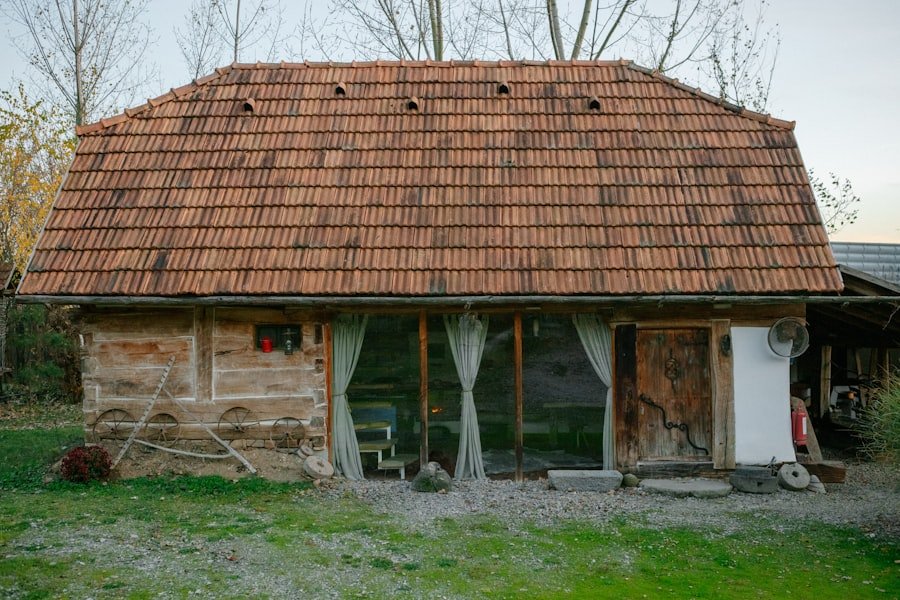
Incorporating slow living into daily life requires intentionality and a willingness to make changes to existing habits. One effective way to begin this journey is by establishing a morning routine that sets a positive tone for the day. Instead of immediately reaching for a smartphone or rushing out the door, consider starting the day with mindfulness practices such as meditation, journaling, or gentle stretching.
These activities can help ground individuals in the present moment and create a sense of calm before the day’s demands take over. Another practical approach is to simplify one’s schedule by prioritizing essential tasks and eliminating unnecessary commitments. This might involve saying no to social obligations that do not align with personal values or delegating responsibilities at work or home.
By creating more space in one’s calendar, individuals can engage in activities that bring joy and fulfillment, such as spending time outdoors, pursuing hobbies, or connecting with loved ones. Additionally, incorporating technology-free time into daily routines can enhance the slow living experience; setting aside specific hours to disconnect from screens allows for deeper engagement with the world around us.
Tips for Practicing Mindfulness and Presence
| Tip | Description |
|---|---|
| 1 | Set aside dedicated time for mindfulness practice each day |
| 2 | Focus on your breath to anchor yourself in the present moment |
| 3 | Engage in mindful activities such as walking, eating, or listening |
| 4 | Practice non-judgmental awareness of your thoughts and emotions |
| 5 | Use mindfulness apps or guided meditations to support your practice |
Practicing mindfulness is central to the slow living philosophy, as it encourages individuals to fully engage with their experiences rather than allowing their minds to wander into the past or future. One effective technique for cultivating mindfulness is through focused breathing exercises. Taking a few moments each day to concentrate on one’s breath can help anchor attention in the present moment.
This practice can be particularly beneficial during stressful situations or when faced with overwhelming emotions. Another way to enhance mindfulness is by engaging in sensory experiences. This could involve savoring the taste of food while eating slowly, noticing the colors and textures of nature during a walk, or listening intently to music without distractions.
By immersing oneself in sensory details, individuals can cultivate a greater appreciation for their surroundings and foster a sense of gratitude for life’s simple pleasures. Additionally, incorporating mindfulness into daily tasks—such as washing dishes or folding laundry—can transform mundane chores into opportunities for reflection and presence.
Creating a Minimalist Lifestyle
Minimalism is often intertwined with slow living, as both philosophies advocate for simplicity and intentionality in life choices. Creating a minimalist lifestyle involves decluttering physical spaces and reducing excess possessions that do not serve a meaningful purpose. This process can begin with small steps, such as evaluating items in one’s home and determining what truly brings joy or utility.
The popular KonMari method encourages individuals to keep only those items that “spark joy,” leading to a more organized and serene living environment. Beyond physical decluttering, minimalism also extends to mental and emotional spaces. This might involve letting go of negative thought patterns or toxic relationships that drain energy and hinder personal growth.
By simplifying both external surroundings and internal landscapes, individuals can create an environment conducive to slow living. A minimalist lifestyle allows for greater focus on what truly matters—whether it be nurturing relationships, pursuing passions, or engaging in self-care practices—ultimately leading to a more fulfilling existence.
The Importance of Slowing Down and Taking Time for Yourself

In today’s fast-paced society, taking time for oneself often feels like an indulgence rather than a necessity. However, prioritizing self-care is essential for maintaining overall well-being. Slowing down allows individuals to recharge physically, mentally, and emotionally.
Engaging in activities that promote relaxation—such as reading a book, taking long baths, or practicing yoga—can significantly enhance one’s quality of life. These moments of solitude provide opportunities for introspection and self-discovery, fostering personal growth. Moreover, taking time for oneself can improve productivity in other areas of life.
When individuals allow themselves moments of rest and rejuvenation, they often return to their responsibilities with renewed energy and focus. This counterintuitive approach challenges the notion that constant busyness equates to success; instead, it highlights the importance of balance and self-compassion. By recognizing the value of slowing down, individuals can cultivate healthier habits that support long-term well-being.
Finding Joy in the Little Things
One of the most profound aspects of slow living is the ability to find joy in everyday moments that often go unnoticed. This could be as simple as enjoying a warm cup of tea while watching the sunrise or taking pleasure in the sound of leaves rustling in the wind during an afternoon stroll. By cultivating an attitude of gratitude and mindfulness, individuals can shift their focus from what they lack to what they already possess—a practice that can significantly enhance overall happiness.
Engaging in creative pursuits can also foster joy in the little things. Whether it’s painting, writing poetry, or crafting handmade gifts for loved ones, these activities encourage self-expression and provide opportunities for reflection. The process itself becomes a source of joy rather than merely focusing on the end result.
By embracing creativity as part of daily life, individuals can tap into their innate sense of wonder and appreciation for life’s simple pleasures.
Building Meaningful Connections and Relationships
At its heart, slow living emphasizes the importance of building meaningful connections with others. In an age where digital communication often replaces face-to-face interactions, prioritizing genuine relationships becomes increasingly vital. Taking time to nurture friendships through shared experiences—such as cooking together or embarking on nature hikes—can deepen bonds and create lasting memories.
Moreover, engaging in community activities fosters a sense of belonging and connection beyond individual relationships. Volunteering for local organizations or participating in neighborhood events allows individuals to contribute positively to their communities while forming connections with like-minded people. These interactions enrich lives by providing support networks and opportunities for collaboration on shared interests or causes.
In conclusion, slow living offers a transformative approach to life that encourages individuals to embrace simplicity, mindfulness, and meaningful connections. By slowing down and savoring each moment, we can cultivate deeper appreciation for ourselves and our surroundings while fostering relationships that enrich our lives profoundly.
FAQs
What is slow living?
Slow living is a lifestyle choice that emphasizes a slower, more mindful approach to everyday life. It encourages individuals to prioritize quality over quantity, and to savor the present moment rather than rushing through it.
What are the key principles of slow living?
Key principles of slow living include simplifying one’s life, being mindful and present in daily activities, prioritizing self-care and well-being, and fostering a deeper connection with nature and the community.
How can one embrace slow living?
Embracing slow living involves making conscious choices to slow down, simplify, and prioritize what truly matters. This can include decluttering and minimizing possessions, practicing mindfulness and meditation, spending time in nature, and cultivating meaningful relationships.
What are the benefits of slow living?
The benefits of slow living can include reduced stress and anxiety, improved mental and physical well-being, increased appreciation for the present moment, stronger connections with others, and a greater sense of fulfillment and contentment.
Is slow living compatible with a busy lifestyle?
Yes, slow living can be embraced even within a busy lifestyle. It’s about making intentional choices to slow down and prioritize what’s important, regardless of external demands. This can involve setting boundaries, creating daily rituals, and finding moments of stillness amidst the busyness.