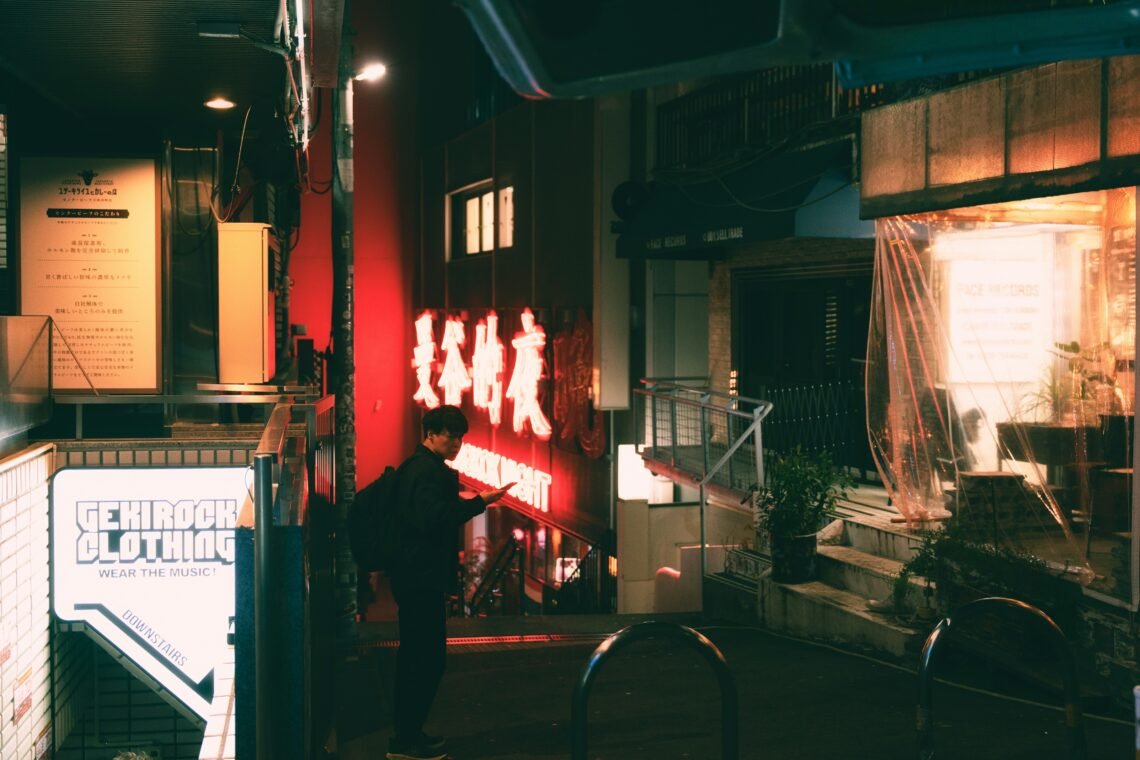
Nightlife districts, with their pulsating energy and late-night offerings, have a surprisingly potent and often complex influence on local housing markets. Simply put, they tend to drive up property values and rents in their immediate vicinity, but this isn’t a universally positive or negative outcome. Instead, it’s a dynamic interplay of demand, demographics, and sometimes, unintended consequences. People are drawn to the convenience, the excitement, and the cultural cachet that comes with living near these bustling hubs, and that demand directly translates into higher housing costs.
Living near a vibrant nightlife district offers a tangible lifestyle benefit for many. This isn’t just about being able to stumble home after a few drinks; it’s about access to entertainment, culture, and a certain kind of urban energy.
Convenience and Entertainment at Your Doorstep
Imagine being able to walk to a concert, a trendy restaurant, or your favorite bar without worrying about parking or ride-sharing costs. This level of immediate access is a significant draw for professionals, young adults, and even empty nesters looking for an active social life. The ability to spontaneously decide to go out and be there in minutes adds a layer of convenience to daily living that many are willing to pay a premium for. This “walkability” factor is consistently cited as a major amenity in urban environments, and nightlife districts amplify it considerably.
Cultural and Social Capital
Nightlife districts are often cultural melting pots, housing independent theaters, art galleries, and diverse culinary scenes alongside traditional bars and clubs. Living nearby provides a sense of being “in the know” and connected to the cultural pulse of a city. For some, this social capital is as valuable as the practical benefits. It represents a lifestyle choice, a statement about their identity and how they engage with their city. This perceived prestige or “cool factor” can subtly, but powerfully, influence housing desirability.
The “Buzz” Factor for Rentals
For landlords, properties in or near nightlife districts often have a consistent stream of prospective tenants. The vibrant atmosphere and convenience appeal to a younger demographic, students, and transient workers who prioritize location over square footage. This high demand allows landlords to command higher rents and, sometimes, to implement stricter rental criteria or shorter lease terms, as they know another tenant is likely waiting in the wings. This consistent demand provides a stable income stream and reduces vacancy rates.
Economic Ripple Effects: Investment and Gentrification
The increased demand for housing in nightlife areas isn’t just about individual preferences; it sets off a chain reaction of economic activity, attracting investors and often leading to significant urban transformation.
Investor Interest and Property Development
When an area becomes known for its nightlife, it attracts attention from real estate investors. They see the potential for appreciation and rental income. This can lead to a surge in property purchases, often with the intent to renovate and resell at a higher price or to convert properties into income-generating rentals (e.g., short-term vacation rentals or long-term leases). This investor interest can kickstart a cycle of redevelopment, bringing new housing stock, albeit often at higher price points.
Gentrification and Displacement Concerns
The influx of capital and higher-income residents often leads to gentrification. While some development can be positive – improving infrastructure, public spaces, and local amenities – it can also have a darker side. Rising property values and rents can price out long-term residents and established businesses, fundamentally altering the demographic and cultural fabric of the neighborhood. This displacement is a complex social issue, where the benefits of revitalization are often not evenly distributed. The pressure to renovate and upgrade properties also means that affordable housing options quickly diminish.
Commercial Investment in Support Services
Beyond residential properties, thriving nightlife districts also attract a range of supporting businesses. Think about late-night diners, convenience stores, laundromats, and even co-working spaces catering to the specific needs of residents and visitors. This commercial investment contributes to the area’s overall economic vitality and can further enhance its appeal to prospective residents, creating a self-reinforcing cycle of growth and development. The infrastructure supporting these businesses, such as improved public transport or enhanced street lighting, can further add to the desirability of living in the area.
Infrastructure and Noise: The Double-Edged Sword
While nightlife brings vitality, it also brings logistical challenges. The very things that make these areas attractive can also be a source of friction for residents.
Increased Strain on Public Services
A dense concentration of bars, clubs, and restaurants means more people, more traffic, and more waste. This places a greater demand on public services like sanitation, police presence, and public transport. Local governments need to be proactive in upgrading and expanding these services to cope with the increased strain, otherwise, the quality of life for residents can suffer. Inadequate waste management or insufficient public safety can quickly detract from the allure of the neighborhood, regardless of its entertainment options.
Noise Pollution and Quality of Life Concerns
Noise is arguably the biggest downside of living near a nightlife district. Music, chatter, traffic, and late-night revelry can significantly impact residents’ sleep and overall quality of life. While some people are more tolerant of noise than others, it’s a common complaint and can lead to frustration. Local regulations regarding noise levels and operating hours become crucial, but enforcement can be challenging. This constant hum can deter families or individuals seeking a quieter living environment, even if they appreciate the amenities.
Parking Challenges and Traffic Congestion
Nightlife districts are inherently magnets for traffic. Visitors driving in, delivery vehicles, and ride-share services all contribute to congestion, especially during peak hours. Parking, already a premium in urban areas, becomes even more scarce and expensive. This can be a significant inconvenience for residents who own cars, and it can also make the area less appealing for those who rely on personal transportation. Effective urban planning, including robust public transport and pedestrian-friendly initiatives, becomes vital to mitigate these issues.
Regulatory Frameworks and Zoning: Steering the Ship
The nature of a nightlife district’s influence on the housing market isn’t entirely left to chance. Local government policies play a significant role in shaping these dynamics.
Zoning Regulations and Land Use
Zoning laws dictate what kind of establishments can operate in specific areas. Looser zoning that permits a mix of residential and commercial uses can foster vibrant nightlife districts but can also exacerbate issues like noise and traffic. On the other hand, strict separation of commercial and residential zones might protect residents from disturbances but could also stifle the organic growth of a lively urban environment. Striking the right balance is a constant challenge for urban planners, as the specific needs and desires of a community evolve over time.
Licensing and Operating Hours
Local authorities control the issuance of liquor licenses and set operating hours for nightlife venues. These decisions directly impact the intensity and duration of night-time activity, which in turn affects the lives of nearby residents. Extending operating hours might boost local businesses but could lead to increased noise complaints, while stricter limits might reduce disturbances but could be seen as hindering economic activity. These regulations require careful consideration of both economic development and quality of life for residents, ensuring a sustainable ecosystem for all stakeholders.
Affordable Housing Mandates
In areas experiencing rapid gentrification due to nightlife development, some cities implement affordable housing mandates or inclusionary zoning policies. These policies require developers to include a certain percentage of affordable units in new projects or to contribute to an affordable housing fund. While not always a complete solution, such measures aim to mitigate displacement and ensure that diverse income levels can continue to live in, or near, these desirable areas. This proactive approach attempts to counter the negative effects of rising property values, fostering a more equitable community.
Future Trends: Adaptability and Evolution
| City | Nightlife District | Impact on Housing Market |
|---|---|---|
| New York City | Lower East Side | Increased demand for rental properties |
| London | Soho | Rising property prices |
| Miami | South Beach | High demand for luxury condos |
The relationship between nightlife and housing is not static; it evolves with changing demographics, technological advancements, and shifting urban priorities.
The Rise of “Mixed-Use” Developments
Modern urban planning increasingly favors mixed-use developments that integrate residential, commercial, and entertainment spaces within the same building or block. This approach aims to create self-contained, walkable communities where residents have convenient access to services and entertainment, including nightlife, in a more controlled and integrated manner. This can lead to more thoughtfully designed districts that mitigate some of the traditional drawbacks of living near nightlife, such as noise bleed or lack of public amenities.
Impact of Remote Work and Lifestyle Shifts
The acceleration of remote work has changed how some people view urban living. While the convenience of nightlife remains attractive, some may now prioritize quieter, more spacious living environments further from the city center, especially if they don’t commute daily. Conversely, others might find themselves with more disposable income and a greater desire for urban amenities, further intensifying demand in specific areas. These shifting lifestyle priorities mean that the dynamics of housing demand are constantly in flux, requiring flexibility from developers and urban planners.
The Evolution of Nightlife Itself
Nightlife itself is evolving beyond traditional clubs and bars. We’re seeing a rise in experiential venues, cultural programming (late-night museums, galleries), and food-focused establishments. These new forms of nightlife might have different impacts on surrounding housing markets, potentially bringing less noise disruption but still contributing to desirability and property value appreciation. As the entertainment landscape shifts, so too will the nuances of its influence on urban housing, creating both challenges and opportunities for sustainable development.
FAQs
1. What are nightlife districts?
Nightlife districts are areas within a city known for their vibrant and active nightlife, typically characterized by a high concentration of bars, restaurants, clubs, and entertainment venues.
2. How do nightlife districts influence housing markets?
Nightlife districts can have a significant impact on housing markets by attracting residents who desire proximity to entertainment and social activities. This can lead to increased demand for housing in the area, driving up property values and rental prices.
3. What are some potential benefits of living near a nightlife district?
Living near a nightlife district can provide convenient access to entertainment, dining, and cultural experiences. It can also contribute to a lively and dynamic neighborhood atmosphere, with a variety of amenities and social opportunities.
4. What are some potential drawbacks of living near a nightlife district?
Living near a nightlife district can also come with potential drawbacks, such as increased noise levels, traffic congestion, and potential for disturbances. Additionally, property values and rental prices may be higher in these areas.
5. How do city planners and policymakers approach the development of nightlife districts?
City planners and policymakers often consider the balance between promoting vibrant nightlife districts and addressing potential negative impacts on surrounding residential areas. This may involve implementing zoning regulations, noise ordinances, and other measures to manage the relationship between nightlife districts and housing markets.