
A firewall is a critical component of network security, acting as a barrier between trusted internal networks and untrusted external networks, such as the internet. Its primary function is to monitor and control incoming and outgoing network traffic based on predetermined security rules. By filtering data packets, firewalls help prevent unauthorized access to or from a private network, thereby safeguarding sensitive information and maintaining the integrity of systems.
Firewalls can be implemented in both hardware and software forms, each serving the same fundamental purpose but differing in their deployment and management. The concept of a firewall can be traced back to the physical barriers used in buildings to prevent the spread of fire. In the digital realm, this metaphor translates into a system that prevents harmful data from entering or exiting a network.
Firewalls can be configured to allow or block specific traffic based on various criteria, including IP addresses, domain names, protocols, and ports. This level of control is essential for organizations and individuals alike, as it helps mitigate risks associated with cyber threats such as malware, hacking attempts, and data breaches.
Key Takeaways
- A firewall is a network security device that monitors and controls incoming and outgoing network traffic based on predetermined security rules.
- There are several types of firewalls, including packet-filtering firewalls, stateful inspection firewalls, proxy firewalls, and next-generation firewalls, each with its own unique features and capabilities.
- Firewalls work by examining data packets and determining whether to allow or block them based on a set of security rules and criteria.
- It is recommended to have a firewall for home use to protect personal devices and data from online threats and attacks.
- Businesses should definitely have a firewall in place to protect sensitive company data, customer information, and internal network infrastructure from cyber threats and attacks.
Types of Firewalls
Firewalls can be categorized into several types, each designed to address specific security needs and operational environments. The most common types include packet-filtering firewalls, stateful inspection firewalls, proxy firewalls, and next-generation firewalls (NGFW). Packet-filtering firewalls operate at the network layer and examine packets of data against a set of predefined rules.
They are relatively simple and fast but may lack the depth of analysis required for more sophisticated threats. Stateful inspection firewalls enhance packet filtering by maintaining a state table that tracks active connections. This allows them to make more informed decisions about which packets to allow or block based on the context of the traffic.
Proxy firewalls act as intermediaries between users and the internet, forwarding requests and responses while hiding the user’s IP address. This not only provides an additional layer of security but also enables content filtering and logging capabilities. Next-generation firewalls combine traditional firewall features with advanced security functions such as intrusion prevention systems (IPS), deep packet inspection (DPI), and application awareness.
These firewalls are designed to address modern threats that exploit application vulnerabilities and can provide granular control over applications and users. Each type of firewall has its strengths and weaknesses, making it essential for users to assess their specific needs when selecting a firewall solution.
How Firewalls Work

Firewalls operate by establishing a set of rules that dictate how data packets are handled as they traverse the network. When a packet arrives at the firewall, it is analyzed against these rules to determine whether it should be allowed through or blocked. The rules can be based on various attributes, including source and destination IP addresses, port numbers, and protocols.
For instance, a rule might specify that all incoming traffic on port 80 (HTTP) is allowed while blocking traffic on port 23 (Telnet), which is often associated with security vulnerabilities. In addition to basic filtering, many modern firewalls employ stateful inspection techniques that track the state of active connections. This means that the firewall can recognize whether a packet is part of an established connection or if it is an unsolicited request.
By maintaining this context, stateful firewalls can make more nuanced decisions about which packets to allow or deny. For example, if a user initiates a connection to a web server, the firewall will allow the return traffic from that server back to the user’s device while blocking other unsolicited incoming traffic. Firewalls also play a crucial role in logging and monitoring network activity.
They can generate logs that provide insights into traffic patterns, potential threats, and attempts at unauthorized access. This information is invaluable for security analysts who need to assess the effectiveness of their security measures and respond to incidents promptly. By analyzing these logs, organizations can identify trends in malicious activity and adjust their firewall rules accordingly to enhance their defenses.
Do You Need a Firewall for Home Use?
| Firewall Features | Benefits |
|---|---|
| Network Security | Protects against unauthorized access |
| Content Filtering | Blocks malicious websites and content |
| Intrusion Detection | Identifies and blocks suspicious activities |
| VPN Support | Securely access your home network remotely |
For home users, the necessity of a firewall cannot be overstated. With the increasing prevalence of smart devices, online banking, and social media usage, home networks have become attractive targets for cybercriminals. A firewall serves as the first line of defense against potential threats that could compromise personal information or disrupt home network functionality.
Many modern routers come equipped with built-in firewalls that provide basic protection against external attacks while allowing users to customize settings according to their needs. In addition to hardware firewalls integrated into routers, software firewalls can be installed on individual devices such as computers and smartphones. These software solutions offer an additional layer of protection by monitoring application behavior and blocking suspicious activities.
For instance, if a malicious program attempts to send data from your computer without your consent, a software firewall can detect this behavior and prevent it from occurring. This dual-layer approach—combining both hardware and software firewalls—can significantly enhance security for home users. Moreover, many home users may not realize that their online activities can expose them to various risks.
For example, connecting to public Wi-Fi networks without adequate protection can lead to data interception by malicious actors. A firewall helps mitigate these risks by ensuring that only legitimate traffic is allowed through while blocking potentially harmful connections. Therefore, investing in a robust firewall solution is essential for anyone looking to protect their personal data and maintain privacy in an increasingly connected world.
Do You Need a Firewall for Business Use?
In the business environment, the need for robust firewall protection is even more pronounced due to the sensitive nature of corporate data and the potential consequences of a security breach. Businesses often handle confidential information such as customer data, financial records, and proprietary intellectual property, making them prime targets for cyberattacks. A well-configured firewall acts as a critical safeguard against unauthorized access attempts, malware infections, and data exfiltration.
For businesses, firewalls not only protect against external threats but also help manage internal network traffic. By segmenting different parts of the network—such as separating guest Wi-Fi from internal systems—firewalls can limit access to sensitive resources based on user roles or device types. This segmentation reduces the risk of lateral movement within the network in case one segment is compromised.
Additionally, many businesses implement next-generation firewalls that incorporate advanced features like intrusion detection systems (IDS) and application control to provide comprehensive protection against evolving threats. Furthermore, regulatory compliance is another compelling reason for businesses to invest in firewalls. Many industries are subject to strict regulations regarding data protection and privacy, such as HIPAA for healthcare or PCI DSS for payment card transactions.
Firewalls play a crucial role in helping organizations meet these compliance requirements by providing necessary controls over data access and transmission. Failure to implement adequate security measures can result in severe penalties and damage to an organization’s reputation.
Common Misconceptions about Firewalls
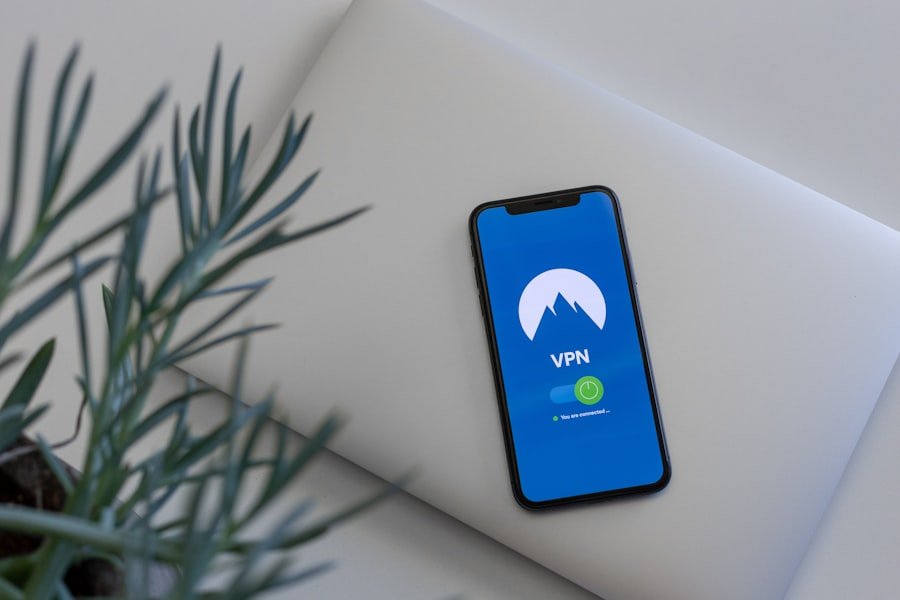
Despite their importance in cybersecurity, there are several misconceptions surrounding firewalls that can lead to inadequate protection or mismanagement of security resources. One common myth is that having a firewall alone guarantees complete security. While firewalls are essential components of a comprehensive security strategy, they are not foolproof solutions.
Cyber threats are constantly evolving, and attackers often employ sophisticated techniques that can bypass traditional firewall protections. Therefore, relying solely on a firewall without additional layers of security—such as antivirus software, intrusion detection systems, and regular software updates—can leave systems vulnerable. Another misconception is that firewalls are only necessary for large organizations or enterprises.
In reality, individuals and small businesses face significant cyber risks as well. Cybercriminals often target smaller entities because they may lack robust security measures compared to larger corporations. Home users should not underestimate their exposure to threats; even personal devices can be compromised if proper precautions are not taken.
Firewalls are vital for anyone connected to the internet, regardless of the size or nature of their operations. Additionally, some users believe that configuring a firewall is too complex or time-consuming. While it is true that advanced firewalls may require specialized knowledge for optimal configuration, many modern solutions come with user-friendly interfaces that simplify setup processes.
Many routers include pre-configured settings that provide adequate protection out of the box while allowing users to customize rules as needed. With proper guidance and resources available online, users can effectively manage their firewall settings without extensive technical expertise.
Benefits of Using a Firewall
The benefits of using a firewall extend beyond mere protection against unauthorized access; they encompass various aspects of network management and operational efficiency. One significant advantage is enhanced security against cyber threats such as malware infections, phishing attacks, and denial-of-service (DoS) attacks. By filtering out malicious traffic before it reaches internal systems, firewalls help prevent potential breaches that could lead to data loss or financial damage.
Another benefit is improved network performance through traffic management capabilities. Firewalls can prioritize certain types of traffic while limiting bandwidth for less critical applications. For instance, during peak usage times, a firewall can allocate more resources to essential business applications while throttling non-essential services like streaming media or large downloads.
This ensures that critical operations remain uninterrupted while optimizing overall network performance. Firewalls also facilitate compliance with industry regulations by providing necessary controls over data access and transmission. Organizations subject to regulations such as GDPR or HIPAA must implement adequate security measures to protect sensitive information from unauthorized access or breaches.
Firewalls help meet these requirements by enforcing policies that restrict access based on user roles or device types while logging activity for auditing purposes. Moreover, firewalls contribute to peace of mind for users by providing an additional layer of defense against potential threats. Knowing that there is a system in place actively monitoring network traffic can alleviate concerns about cyber risks associated with online activities.
This sense of security encourages users to engage more freely with digital services while maintaining confidence in their data protection measures.
How to Choose the Right Firewall for Your Needs
Selecting the right firewall requires careful consideration of various factors tailored to specific needs and operational environments. One crucial aspect is understanding the scale of your network—whether it’s for home use or a larger business environment—as this will influence the type of firewall required. For home users with basic internet needs, a simple hardware firewall integrated into their router may suffice.
However, businesses with multiple users and sensitive data may require more advanced solutions like next-generation firewalls capable of handling complex traffic patterns. Another important factor is evaluating the features offered by different firewall solutions. Consider whether you need basic packet filtering capabilities or advanced features such as intrusion prevention systems (IPS), deep packet inspection (DPI), or application awareness functionalities.
Organizations dealing with sensitive information may benefit from firewalls that offer robust logging capabilities for compliance purposes while providing real-time alerts for suspicious activities. Budget constraints also play a significant role in choosing a firewall solution. While investing in high-quality security measures is essential, it’s important to find a balance between cost-effectiveness and functionality.
Many vendors offer tiered pricing models based on features provided; therefore, conducting thorough research on available options can help identify solutions that meet both security needs and budgetary limitations. Finally, consider ease of management when selecting a firewall solution. Some firewalls require extensive technical expertise for configuration and maintenance; others come with user-friendly interfaces designed for ease of use by non-technical personnel.
Assessing your team’s capabilities will help determine whether you need a solution that offers comprehensive support or one that allows for straightforward management without extensive training. By carefully evaluating these factors—network scale, feature requirements, budget constraints, and management ease—users can make informed decisions when selecting the right firewall solution tailored to their specific needs.
FAQs
What is a firewall?
A firewall is a network security device that monitors and controls incoming and outgoing network traffic based on predetermined security rules. It acts as a barrier between a trusted internal network and untrusted external networks, such as the internet.
How does a firewall work?
A firewall works by examining data packets and determining whether to allow or block them based on a set of security rules. It can filter traffic based on IP addresses, port numbers, and protocols, and can also perform deep packet inspection to identify and block potentially harmful content.
Do you need a firewall?
Yes, having a firewall is essential for protecting your network from unauthorized access, malware, and other cyber threats. It helps to secure your data and systems by controlling the flow of traffic and preventing malicious activity from reaching your network.
What are the different types of firewalls?
There are several types of firewalls, including network firewalls, which are typically hardware or software-based devices that protect an entire network, and host-based firewalls, which are installed on individual computers or devices to protect them from external threats.
Can a firewall prevent all cyber attacks?
While a firewall is an important security measure, it cannot guarantee complete protection against all cyber attacks. It is just one component of a comprehensive cybersecurity strategy, and should be used in conjunction with other security measures such as antivirus software, intrusion detection systems, and regular security updates.