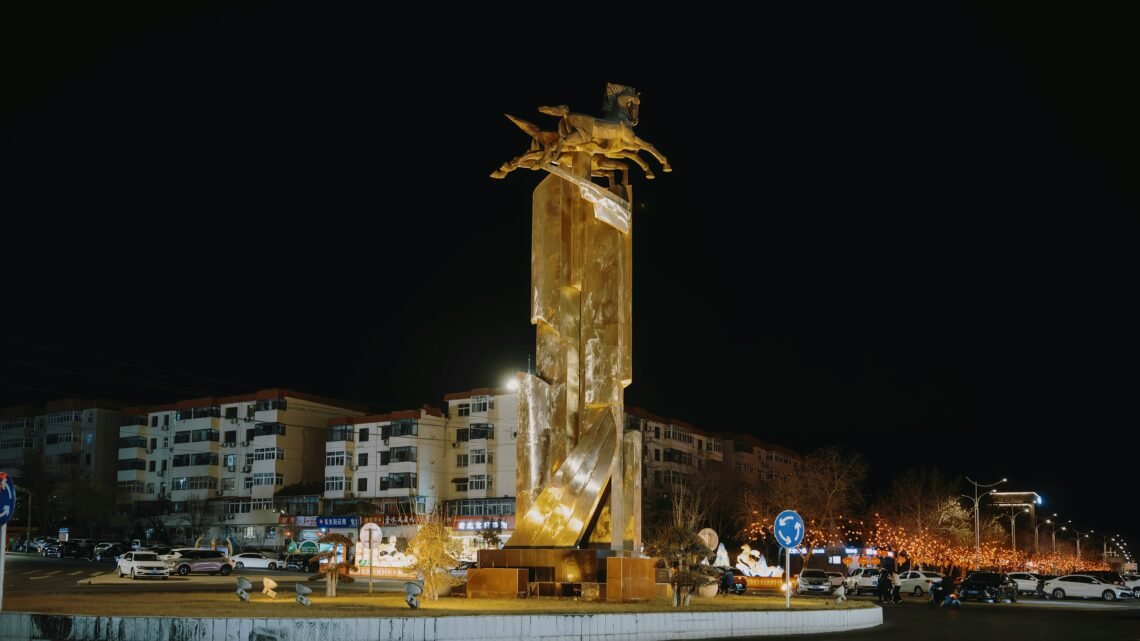
You’ve probably walked past them a million times: that quirky sculpture outside the new apartment building, the mural on the side of a repurposed factory, or maybe even a series of intriguing light installations in a public square. Ever wondered why so many new urban developments seem to come with their own built-in art exhibits? It’s not just about making things look pretty, though that’s definitely a part of it. There are some really practical reasons why public art has become a common feature in modern city construction.
Placemaking and Identity
One of the biggest drivers behind public art in new developments is the desire to create a distinct sense of place. Developers aren’t just building structures; they’re trying to build communities and create destinations.
Shaping a Unique Character
Think about it. A generic block of buildings can easily blend into the urban landscape. Public art, however, acts as an anchor, giving the development its own visual identity. It’s a way for the project to say, “I’m here, and I’m different.” This uniqueness can be crucial in attracting residents, businesses, and visitors.
Fostering a Sense of Belonging
When people feel a connection to where they live or work, they’re more likely to invest their time and energy into that community. Art that reflects local history, culture, or aspirations can help residents feel a sense of ownership and pride. It transforms a functional space into something that resonates on an emotional level, making it feel more like “home.”
Creating Memorable Landmarks
In a sprawling city, finding your way around can be tough. Distinctive pieces of public art can serve as visual cues, helping people navigate and remember locations. These landmarks can become points of reference, making the development easier to find and offering a point of interest for locals and tourists alike.
Economic Benefits and Investment Attraction
While art might seem like a purely aesthetic endeavor, it has tangible economic implications for urban developments. Developers are businesses, and they consider the return on their investment.
Enhancing Property Value
Studies have shown that areas with well-integrated public art can see an increase in property values. This isn’t just about the perceived desirability of living in an “artistic” neighborhood; it can also be linked to increased foot traffic and vibrant public spaces, which businesses value.
Attracting Businesses and Talent
For commercial spaces within a development, being situated in a visually engaging and culturally rich environment can be a significant draw for businesses. Companies want to be in places that attract and retain talented employees, and a lively, artistic atmosphere contributes to this. It suggests a forward-thinking and dynamic environment.
Boosting Tourism and Local Economy
Public art can become a draw for tourists, encouraging them to visit specific neighborhoods and spend money locally. This can lead to increased revenue for shops, restaurants, and other businesses within and around the development, creating a positive feedback loop for the local economy.
Social and Community Engagement
Beyond the visual and economic, public art plays a vital role in fostering social connections and community well-being.
Encouraging Interaction and Dialogue
Art in public spaces is accessible to everyone. It can spark conversations among strangers, provide a common point of interest, and encourage people to spend more time outdoors, interacting with their environment and each other. A shared experience with a piece of art can break down social barriers.
Reflecting and Celebrating Diversity
Many public art projects are commissioned with the intention of reflecting the diverse communities they serve. This can involve celebrating cultural heritage, addressing social issues, or simply showcasing the varied perspectives of the people who live and work in the area. This inclusivity helps people feel seen and valued.
Supporting Local Artists and Culture
Incorporating public art often means commissioning local artists. This not only provides them with income and exposure but also contributes to the growth and vitality of the local arts scene. It’s an investment in the cultural capital of the city.
Urban Planning and Revitalization Strategies
Public art isn’t just an afterthought; it’s increasingly becoming an integral part of urban planning and revitalizing existing districts.
Transforming Underutilized Spaces
Developers and city planners often see public art as a way to activate neglected or underutilized areas. A blank wall, a bare plaza, or an overlooked alley can be transformed into a focal point through the installation of a sculpture, mural, or light installation, making these spaces more inviting and functional.
Signal of Investment and Progress
The presence of public art can signal to the wider community that an area is undergoing positive change and attracting investment. It can be a visible manifestation of investment in the neighborhood, generating positive momentum and encouraging further development.
Promoting Walkability and Public Realm Quality
Art that is thoughtfully integrated into streetscapes and public spaces can enhance the pedestrian experience. It encourages people to slow down, observe, and engage with their surroundings, contributing to a more pleasant and engaging urban environment that prioritizes people over cars.
Regulatory Requirements and Developer Incentives
Sometimes, the appearance of public art isn’t entirely voluntary. Various policies and incentives encourage or even mandate its inclusion.
Percent for Art Programs
Many cities have “Percent for Art” ordinances. These policies require that a certain percentage (often 1% to 2%) of the construction budget for new public and private developments be allocated to public art. This is a direct mechanism to ensure art is part of new construction.
Zoning and Planning Regulations
In some cases, zoning regulations or community benefit agreements might stipulate the inclusion of public art as a condition for project approval. Developers may need to incorporate art to satisfy planning requirements or gain community support.
Community Benefit Agreements
Developers may enter into agreements with local communities or governing bodies that outline specific contributions to the public realm. Public art can be a significant component of these agreements, addressing community desires and enhancing the project’s social license to operate.
Public-Private Partnerships
Collaborations between developers, city governments, arts organizations, and community groups are common. These partnerships often pool resources and expertise to fund and facilitate public art projects that benefit everyone. The developer provides space or funding, while other partners bring artistic vision and community engagement.
Public art in modern urban developments is a multifaceted phenomenon, serving practical purposes that extend far beyond mere decoration. It’s a tool for shaping identity, driving economic growth, fostering community, and fulfilling strategic urban planning objectives. When you see that new sculpture or mural, remember it’s likely a deliberate and thoughtful addition, designed to make our cities more engaging, functional, and meaningful places to live.
FAQs
What are public art projects in modern urban developments?
Public art projects in modern urban developments are artistic installations or pieces that are integrated into the design and construction of urban spaces. These projects are intended to enhance the aesthetic appeal of the area and contribute to the cultural identity of the community.
What is the purpose of including public art projects in modern urban developments?
The inclusion of public art projects in modern urban developments serves several purposes. It can help create a sense of place and identity, foster community engagement, and contribute to the overall livability and attractiveness of the urban environment. Additionally, public art projects can also serve as a platform for social commentary and expression.
How are public art projects funded in modern urban developments?
Public art projects in modern urban developments are often funded through a combination of public and private sources. This can include government grants, private donations, developer contributions, and public art funds allocated from municipal budgets. In some cases, public art projects may also be funded through partnerships with arts organizations or through crowdfunding initiatives.
What are some examples of public art projects in modern urban developments?
Examples of public art projects in modern urban developments include large-scale sculptures, murals, interactive installations, and architectural interventions. These projects can be found in various urban settings such as parks, plazas, streetscapes, and public buildings. Some notable examples include the High Line in New York City, the Millennium Park in Chicago, and the Olympic Sculpture Park in Seattle.
What are the benefits of public art projects in modern urban developments?
Public art projects in modern urban developments offer a range of benefits, including enhancing the visual appeal of the urban environment, promoting cultural and artistic expression, stimulating economic activity through tourism and cultural events, and fostering a sense of community pride and identity. Additionally, public art projects can also contribute to the overall well-being and quality of life for residents and visitors alike.