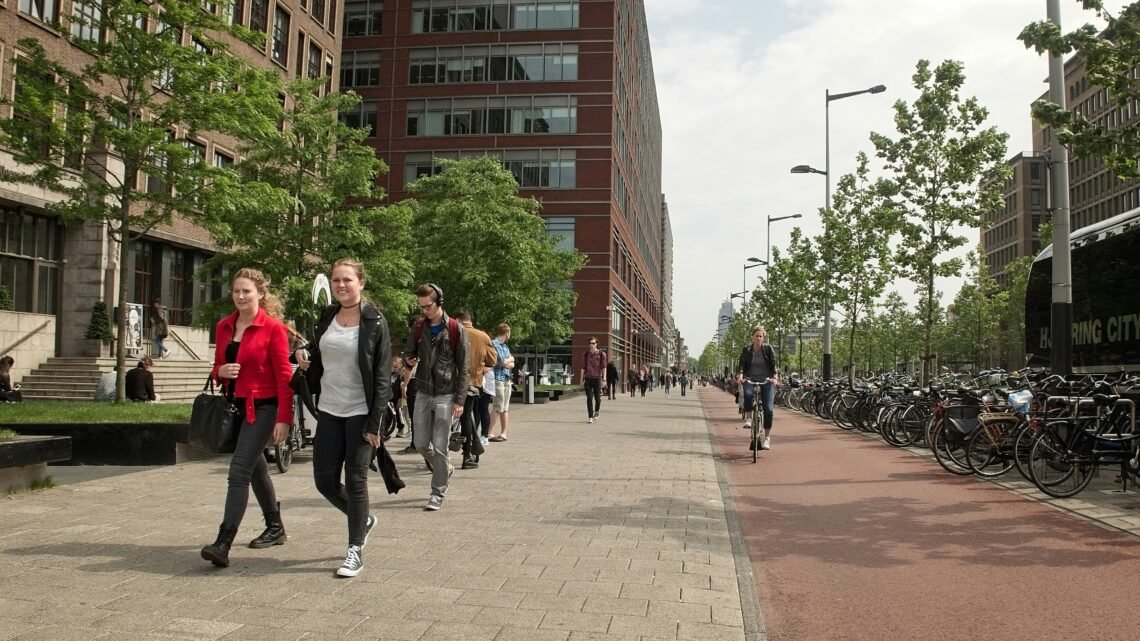
When considering urban property, you might wonder why walkability scores matter. The simple answer is this: a property’s walkability directly impacts its value, desirability, and long-term potential for both residents and investors. It’s not just about steps; it’s about access, convenience, and how a location integrates into a wider urban fabric.
Walkability scores are a quantifiable measure of how friendly an area is to walking. These aren’t opinions; they’re data-driven insights compiled by various services like Walk Score, which analyze a property’s proximity to amenities. Think of it as a snapshot of how easily you can accomplish daily tasks on foot.
How Walkability is Measured
Typically, these scores consider several key factors. They look at the distance to essential services such as grocery stores, schools, parks, restaurants, coffee shops, and public transport stops. The closer these amenities are, and the more variety available, the higher the score. It’s also about connectivity – are there sidewalks, and do they lead somewhere useful?
The Data Behind the Score
Algorithms crunch vast amounts of geographical data to assign these scores. They factor in street patterns, intersection density, and even pedestrian infrastructure (though this can be less consistently applied across different rating systems). The goal is to provide a standardized, objective metric that describes a neighborhood’s pedestrian-friendliness.
The Financial Implications of Walkability
For property owners and investors, walkability isn’t just a lifestyle perk; it translates directly into financial metrics. A higher walkability score often correlates with a more robust property market and better investment returns.
Property Value and Appreciation
Numerous studies demonstrate a clear link between high walkability and increased property values. Homes in walkable neighborhoods tend to command higher prices per square foot and, crucially, appreciate faster over time. This isn’t surprising – convenience has always been a premium commodity, and access to services without a car is peak convenience for many urban dwellers.
Rental Income and Occupancy Rates
For landlords, a high walkability score can be a significant advantage. Properties in walkable areas often attract more tenants, leading to lower vacancy rates and the potential for higher rental income. People are often willing to pay more for the ability to walk to work, shops, or entertainment, reducing their reliance on personal vehicles and the associated costs.
Insurance Costs and Risk Assessment
While not always directly linked, higher walkability can indirectly influence insurance premiums. Areas with better pedestrian infrastructure and less car dependency might see different risk assessments from insurance companies, though this is a more subtle effect than direct property value.
Lifestyle Benefits and Resident Attraction
Beyond the numbers, walkability profoundly impacts the quality of life for residents. These lifestyle benefits are a major drawcard, making such areas highly desirable places to live.
Reduced Commute Times and Costs
One of the most obvious benefits is the reduction in reliance on cars. This means less time stuck in traffic, lower fuel costs, and reduced expenses on vehicle maintenance and parking. For many, that newfound freedom from car dependency is a significant factor in their housing decisions.
Access to Amenities and Services
Imagine being able to walk to your local grocery store, grab a coffee, visit a park, or even get to a doctor’s appointment – all within a few blocks. This ease of access simplifies daily life and can reduce stress. It supports impromptu social gatherings and a more spontaneous way of living.
Health and Well-being
Encouraging walking as a primary mode of transport has clear health benefits. Regular physical activity, even moderate walking, contributes to better cardiovascular health, weight management, and mental well-being. A walkable neighborhood naturally integrates exercise into daily routines without requiring special effort or gym memberships.
Community Engagement and Social Cohesion
When people walk, they are more likely to interact with their neighbors and local businesses. This fosters a sense of community, makes streets feel safer, and supports local economies. Walkable areas often have more vibrant public spaces where people gather, leading to stronger social ties.
The Investor’s Perspective: Long-Term Trends and Future-Proofing
For savvy investors, walkability isn’t just about today’s market; it’s about anticipating future urban development and societal shifts. Properties in walkable areas are often considered more robust investments.
Resisting Economic Downturns
While no property is entirely recession-proof, properties in highly walkable, amenity-rich areas tend to be more resilient during economic downturns. Their inherent convenience and desirability act as a buffer, with demand often remaining strong even when other segments of the market soften. People still need to live, and they often prioritize convenience when times are tough.
Demographic Shifts and Preferences
There’s a clear trend towards urban living and a desire for less car-dependent lifestyles, especially among younger generations and empty nesters. These groups often prioritize walkability when choosing where to live. Investing in walkable areas aligns with these evolving demographic preferences, ensuring a steady pool of potential buyers or renters in the long term.
Sustainability and Environmental Considerations
As environmental concerns become more prominent, living in walkable areas is increasingly viewed as a sustainable choice. Reducing car usage lessens one’s carbon footprint, a factor that appeals to a growing segment of the population. This environmental aspect can become another selling point, enhancing a property’s appeal.
Infrastructure Development and Urban Planning
Cities are increasingly recognizing the value of walkability and are investing in pedestrian-friendly infrastructure, public transport, and mixed-use developments. Properties in areas already demonstrating high walkability or slated for such improvements are well-positioned to benefit from these urban planning trends. This foresight can lead to significant appreciation. Ignoring walkability can mean missing out on areas designated for future growth and quality of life improvements.
Practical Considerations for Buyers and Investors
| Factors | Impact on Property Decisions |
|---|---|
| Walkability Score | Higher walkability score increases property value and demand |
| Access to Amenities | Proximity to amenities like parks, restaurants, and shops positively influences property decisions |
| Public Transportation | Availability of public transportation options can increase property desirability |
| Health and Well-being | Walkable neighborhoods promote healthier lifestyle, impacting property decisions |
Understanding the ‘why’ is one thing; applying it practically is another. When evaluating a property, walkability should be a key part of your due diligence.
Beyond the Score: Digging Deeper
While a score is a good starting point, don’t rely solely on it. Walk the neighborhood yourself, at different times of day. Are the sidewalks well-maintained? Is there adequate lighting? Do you feel safe? How busy are the streets? A high score might not capture the nuances of pedestrian experience. For instance, a long walk past an industrial zone might be reflected in a high score if there are services at the other end, but it won’t be a pleasant journey.
Proximity vs. Practicality
A property might be “proximate” to amenities according to a map, but the actual journey might be impractical due to barriers like busy roads without crossings, hills, or lack of shade. Use Google Street View, but more importantly, physically experience the routes you’d take daily.
Future Development Plans
Research local urban planning documents. Are there plans for new parks, public transport expansions, or mixed-use developments that could enhance walkability in the future? Conversely, are there plans for infrastructure like highways that could detract from it? Staying informed about local development can provide a competitive edge.
Resale Value Considerations
Always think about the next buyer. Will the walkability factors that appeal to you also appeal to a broad market later on? Generally, they will if the amenities are diverse and essential. Focus on areas with a good mix of residential, retail, and green spaces.
In conclusion, walkability scores are much more than just a number; they are a critical indicator of a property’s overall desirability, financial viability, and long-term potential. Integrating this metric into urban property decisions provides a comprehensive approach to securing valuable and sustainable investments.
FAQs
What is a walkability score?
A walkability score is a measure of how friendly an area is for walking. It takes into account factors such as proximity to amenities, pedestrian infrastructure, and safety.
How do walkability scores affect urban property decisions?
Walkability scores can have a significant impact on urban property decisions as they influence the desirability and value of a property. Higher walkability scores are often associated with increased property values and demand.
What are the benefits of living in a walkable neighborhood?
Living in a walkable neighborhood can lead to improved physical and mental health, reduced reliance on cars, increased social interaction, and a stronger sense of community.
How are walkability scores calculated?
Walkability scores are typically calculated using a combination of data sources, including geographic information systems (GIS), public records, and user-generated data. Factors such as access to public transportation, proximity to amenities, and street connectivity are taken into consideration.
Are walkability scores a reliable indicator of urban livability?
While walkability scores can provide valuable insights into the pedestrian-friendliness of an area, they should be considered alongside other factors such as crime rates, school quality, and affordability to get a comprehensive understanding of urban livability.